
Why do so many people appear normal on the outside while quietly struggling inside their own minds?
They go to meetings, chat with friends, and handle the workload, yet they carry this invisible burden that never goes away. Thoughts slow down. Motivation fades. Even the easiest activities are tiresome.
Depression in 2026 is hardly loud or evident. It usually disguises itself in the work process, socialization, and everyday life. Human beings are going about their operations as their emotional energy gradually depletes. The worst thing is that most people feel lonely in what they are going through.
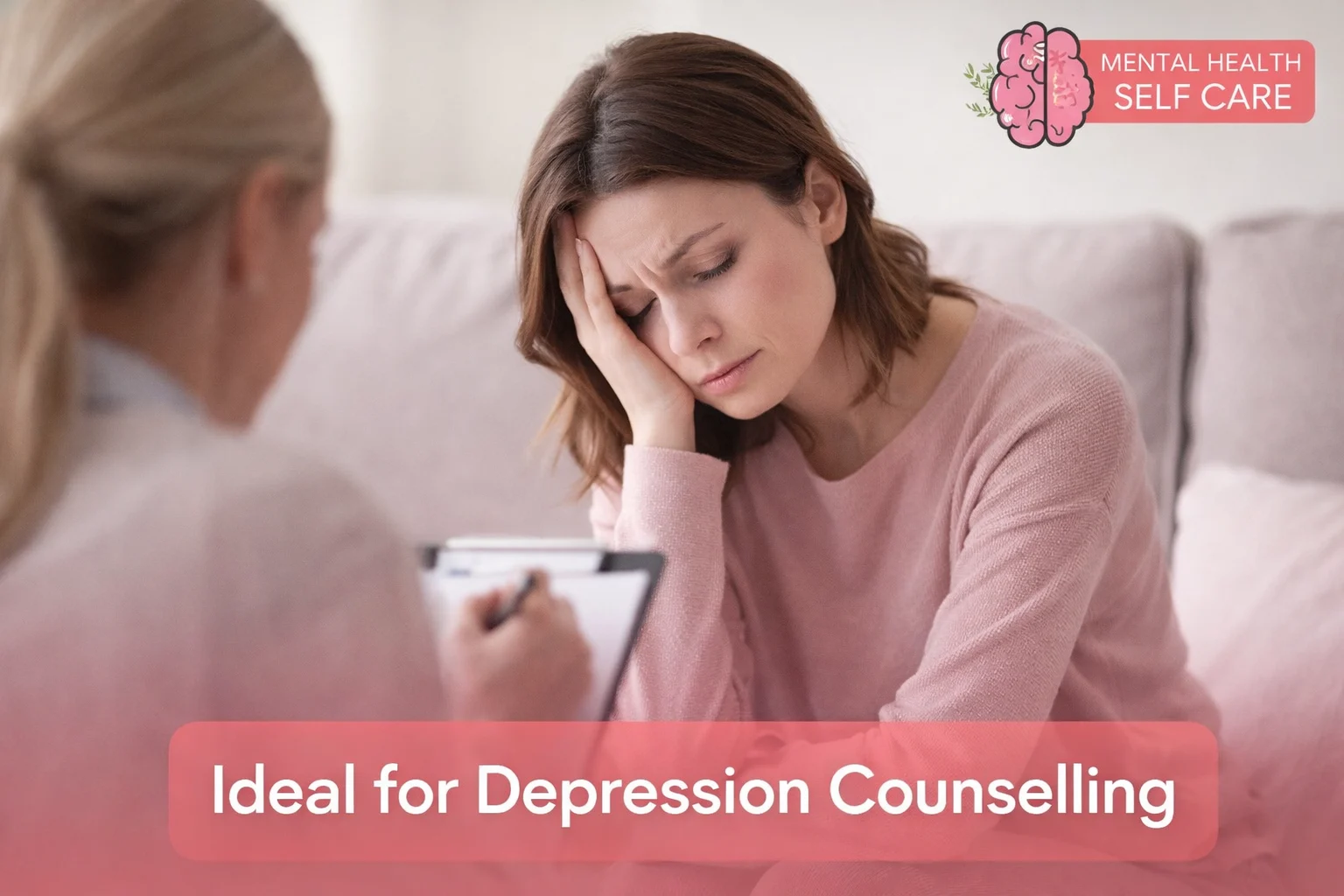
This is where depression counselling would play a vital role. Instead of sweeping the emotional pain under the carpet or attempting to cope with the pain independently, counseling offers systematic instruction in an attempt to comprehend and grasp the thoughts, feelings, and behavioral styles. It assists people to come to their senses, reestablish their emotions, and slowly inspire them again.
What Do You Know About Depression Counselling?
Depression counselling is a professional process in which the person engages a mental health counsellor to learn how to deal with emotional problems, patterns of the mind, and how to live with stress, sadness, and loss of motivation in a healthier manner.
Depression is not a mere state of sadness. It can be more emotionally and psychologically demanding, like:
- Constant sense of emptiness
- Difficulty concentrating
- Loss of interest in things
- Sleep disturbances
Counseling helps people understand these experiences in a safe way and provides realistic ways to deal with emotional issues and restore regular functioning.
Key Goals of Depression Counselling
- Recognizing the emotional precipitants and patterns
- Promoting the discussion of mental health
- Calming down the emotional stress
- Enhancement of coping skills
- Advocating progressive emotional healing
Rather than hastening the recovery process, Depression counselling has its emphasis on gradual improvement to emotional balance.
How Depression Counselling Is Supporting Individuals in 2026
The problem of mental health has become more apparent in contemporary life because of the rise in stress, social comparison, and straining workplace conditions. Depression counselling assists them to overcome these pressures through guided assistance.
1. Helping Individuals Understand Their Emotional State
So many individuals have problems in identifying the feelings they really have. Counseling helps make sense of emotions.
- Determining the patterns of emotions
- Understanding the factors that affect mood
- Knowledge of behavioral reactions to stress
- Gaining perception of cognition
2. Reducing Feelings of Isolation
A sense of loneliness is usually caused by depression, even among people. Through depression counselling, people are given a secure platform where they are able to open up their minds.
- Promoting candid communication
- Giving emotional confirmation
- Reducing the feeling of isolation
- Creating a positive relationship
Emotional burden can be greatly decreased when one is heard.
3. Rebuilding Motivation and Energy
By using small steps that people can easily take, counselling helps people gain energy.
- Setting realistic goals
- Promoting slow involvement in activities
- Returning to healthy practices
- Rewarding minor achievements
In the long term, motivation will return to normal.
4. Managing Negative Thought Patterns
Depression is usually aggravated by negative thinking patterns. Depression counselling will enable one to recognize and challenge such thoughts.
- Identifying self-critical thinking
- Forming moderate points of view
- Reducing mental rumination
- Inspiriting positive thinking patterns
5. Strengthening Emotional Resilience
Depressive episodes may also be occasioned by life challenges, particularly when the emotional strength is weak.
Counseling helps people develop better coping mechanisms.
- Training in stress management.
- Learning emotional regulation.
- Strengthening self-awareness
- Promoting more health-related reactions to disappointments.
Such competencies help them better deal with future complications.
6. Improving Relationships and Communication
Depression usually has an impact on personal relationships since a person can either become withdrawn emotionally or be unable to express themselves. Healthy communication is promoted through depression counseling.
- Enhancing the expressivity of emotions.
- Problem-solving relationship issues.
- Establishing favorable relationships.
- Lessening conflicts with the people you love.
Favorable relations help in emotional recovery.
7. Restoring Confidence and Self-Worth
Depression may have a lot of influence on how a person feels about themselves. Self-esteem is restored through counselling, which promotes reflection and self-acceptance.
- Understanding personal strengths
- Confronting pessimistic self-concept
- Encouraging self-compassion
- Restoring personal confidence
The trust is built over time with regular encouragement.
8. Supporting Long-Term Mental Wellness
Depression counselling is not only targeted at reducing the already present symptoms but also at ensuring that people are in long-term mental balance.
- Developing socially responsible practices
- Strengthening emotional intelligence
- Education on healthy life practices
- Educating individuals on stress management skills in the future
Regular coaching can provide sustained wellness.
Which Individuals Can Benefit Most From Depression Counselling?
Depression does not present itself to all. Other individuals suffer severe emotional pain, whereas others remain in their usual living life but are mentally drained, estranged, or swamped all the time. Counseling for depression is not done solely for people in apparent crisis. It is also helpful for people who are emotionally stagnant, mentally tired, or unable to understand why their drive and clarity have gradually declined.
Emotional struggles have never been more prevalent than they are in 2026 due to work pressures, relationship struggles, financial demands, and personal pressures. Depression counselling enables victims to trace the real causes of their mental distress and regain emotional balance gradually under the guidance of the counselling structures.
The following are just a few of those who tend to receive the greatest advantage of Depression counselling.
Working Professionals Experiencing Chronic Stress and Burnout
The modern working environment demands all-hours work, quick decision-making, and all-time performance. All these stresses can lead to emotional burnout and a loss of motivation in the long term.
Persons in this case tend to suffer:
- Continued bodily stress although resting
- Problem in continuous attention
- Loss of enthusiasm for work
- Heightened aggravations or aggravatedness
Depression counselling assists professionals in realizing the impact that work-related stress has on their emotional well-being. They consider, through mentored discussions, how to set boundaries for the mind and manage expectations in ways that can restore sustainable productivity without taking a negative toll on well-being.
Individuals Experiencing Persistent Sadness or Emotional Emptiness
There are those who carry a perpetual emotional burden that they are unable to describe. Life might seem to be secure on the outside, but inside it is not.
Common experiences include:
- Numb emotionally or dissociated
- No longer interested in previously enjoyed activity
- Amusement problem, inability to feel excitement or happiness
- An empty feeling which lingers through weeks or months
Depression counselling would help the individual start exploring such feelings in a safe setting where they are likely to discover the reasons behind the problems and slowly resume living meaningful lives again.
People Navigating Major Life Transitions
Even positive changes in life make it emotionally unstable. Uncertainty and self-doubt may arise during such events as career changes, relocations, relationship changes, or personal losses.
Persons undergoing transitions can have:
- Anxiety about the future
- Failure to cope with new situations
- Emotional disorientation or depression
- Less confidence in making decisions
Depression counselling assists persons to digest these changes and gain emotional stability and confidence as they pass through different transitions in life.
Individuals Recovering From Emotional Setbacks or Loss
Emotions may have lasting effects when an individual experiences difficult moments like relationship breakups, personal disappointments or grief.
Such people usually have:
- Lingering sadness or regret
- Lack of the ability to forget the past
- Emotionally more sensitive
- It is the fear of emotional pain in the future
It is these experiences that can be discussed and deciphered in depression counselling. Over time, one learns how to shed emotional weight and regain trust.
Students and Young Adults Facing Academic and Social Pressure
Young adults are currently facing stiff academic competition, social comparison, and doubt about their futures. Such pressures may lead to a sense of inferiority and psychological distress.
Common challenges include:
- The fear of not succeeding or failure to achieve
- Ruminating about professions
- Social comparison and social anxiety
- High expectations to deal with family or society
Depression counselling helps students and young professionals to have the means to cope with stress, develop greater emotional stability, and pursue their objectives in a clear and confident manner.
Individuals Struggling With Negative Thought Patterns
Repetitive negative thinking tends to accompany depression and has an impact on self-esteem and decision-making.
Examples include:
- Persistent self-criticism
- Continuous self-criticism
- Inability to envision favorable results
- Fear of making decisions
Through depression counselling, the affected learn to identify such patterns and, slowly over time, to substitute them with healthier attitudes to enable them to regain their mental stability and emotional equilibrium.
Individuals Seeking Greater Self-Awareness and Emotional Growth
Not all people who are benefiting from counselling are in a state of extreme emotional distress. There are those who find the counselling of depression enhanced because they would like to learn more about themselves and their general psychological condition.
They may feel:
- trapped in habitual behaviors or lines of thinking
- Indecisive in personal direction
- Wanted to be more emotionally intelligent
- Embraced to create more healthy relationships with others and themselves.
With the help of counseling, these people learn to better understand their own personalities and make positive changes in their lives.
Individuals Without a Strong Emotional Support System
Individuals are afraid of being judged and misunderstood by sharing personal struggles with friends or family members. When there are no safe ways to vent emotions, such feelings can accumulate over time.
Persons who lack effective support systems might suffer:
- Social loneliness in people who are socially active
- Problem in revealing personal struggles
- Sense of not understood or being alone
- Deficit of instructions in trying times
Depression counselling is also a confidential and supportive environment where one can share freely and give counselling without fear of condemnation.
Individuals Experiencing Difficulty Managing Daily Life
As soon as depression starts influencing daily functioning, professional assistance will be particularly helpful.
Signs may include:
- Having difficulty with routines
- Problems in fulfilling tasks
- Lack of energy to interact with others
Fatigue of the mind is more than usual during the day.
Depression counselling assists patients to resume their everyday structure step by step, which is the restoration of motivation and emotional state.
How Long Does Depression Counselling Take to Show Progress?
Among the most frequent questions people have when they embark on Depression counselling, however, are very important and simple, yet still, the questions are: How soon am I going to begin to feel better?
The straightforward truth is that not all people have a timeline in which progress in Depression counselling takes place. Every individual has different emotional experiences, lifestyle pressures, and coping styles. Structured counselling, however, enables a person to pass through distinct stages of awareness, healing, and emotional rebuilding.
Depression counselling also does not require immediate change but rather a gradual change in the mind, which gains strength and becomes firmer as time goes by. The majority of respondents begin to see improvement as they continue participating in the counselling process.
Phase 1: Emotional Awareness and Initial Relief
Depression counselling stage one is aimed at the realization of feelings and a safe environment for expression. Many people would seek counseling upon realizing they have been keeping their emotions to themselves. The mere fact that one has a chance to talk freely will produce immediate emotional relief.
At this stage, counselling assists people:
- Determine causes of emotions and cognitive patterns
- Get feelings that have been repressed
- Lessen the feeling of being alone, which comes with depression
- Start to learn the impact of thoughts on emotional states
Although symptoms do not always disappear instantly, people report feeling much lighter and understood during the initial sessions.
Phase 2: Emotional Stabilization and Thought Reframing
Estimated Timeline: 6 to 10 weeks
Through Depression counselling, people start gaining more knowledge about their thinking and the way they feel. The counselling sessions at this stage are aimed at assisting individuals to identify negative thinking patterns and gradually replace them with healthier ones.
Developments in this phase would frequently involve:
- Less intense feelings when under stress
- Better management of negative thoughts
- Greater incentive to participate in everyday activities
- Increased emotional control.
Phase 3: Behavioral Changes and Lifestyle Rebuilding
Projected Timeframe: 2-4 months.
As the state of emotional awareness and stabilization is achieved, Depression counselling is initiated, with an emphasis on restoring daily structure and motivation. Depression usually interferes with an individual’s schedule, social interactions, and ambitions, and hence, in this stage, emphasis is placed on rebuilding these areas of life, which is progressive.
During this stage, counselling assists individuals:
- Reestablish everyday and good habits
- Develop attainable personal and professional aims
- Enhance social networks
- Enhance effectiveness and involvement in life.
Phase 4: Long-Term Emotional Stability and Growth
Projected Schedule: 4-8 months and more.
The depression counselling stage is the last stage that is aimed at achieving emotional balance and enhancing long-term resilience. At this stage, people are to understand their emotional patterns and the tools they will need to cope with future challenges better.
This stage assists people:
- Have positive coping mechanisms
- Avoid relapse into negative thinking
- Keep self-developing and knowing
- Develop trust in dealing with irregularities in life
Conclusion
Depression may silently impact various areas of life, such as motivation and confidence, as well as relationships and productivity. However, one should not forget that people do not have to cope with such difficulties on their own.
Depression counselling offers the socialization, knowledge, and planned instructions needed to recover emotionally. By having open dialogues, understanding ourselves, and practicing coping that enables us to restore stability and regain a sense of rejuvenation in our lives.
Mental Health Self Care is a platform that provides support and gives people a chance to begin their healing process in a patient, wise manner. Under the supervision of counsellor Radheshyam More, individuals learn to interpret emotions, build resilience, and progress with greater confidence and emotional stability.
A request to assist is not a weakness issue. It can be the first step toward a better, healthier life.

